
Obituary for Rev. Dr Jione Havea by Rev. Dr Cliff Bird and Siera Taniera Bird
Obituary: Rev. Dr Jione Havea
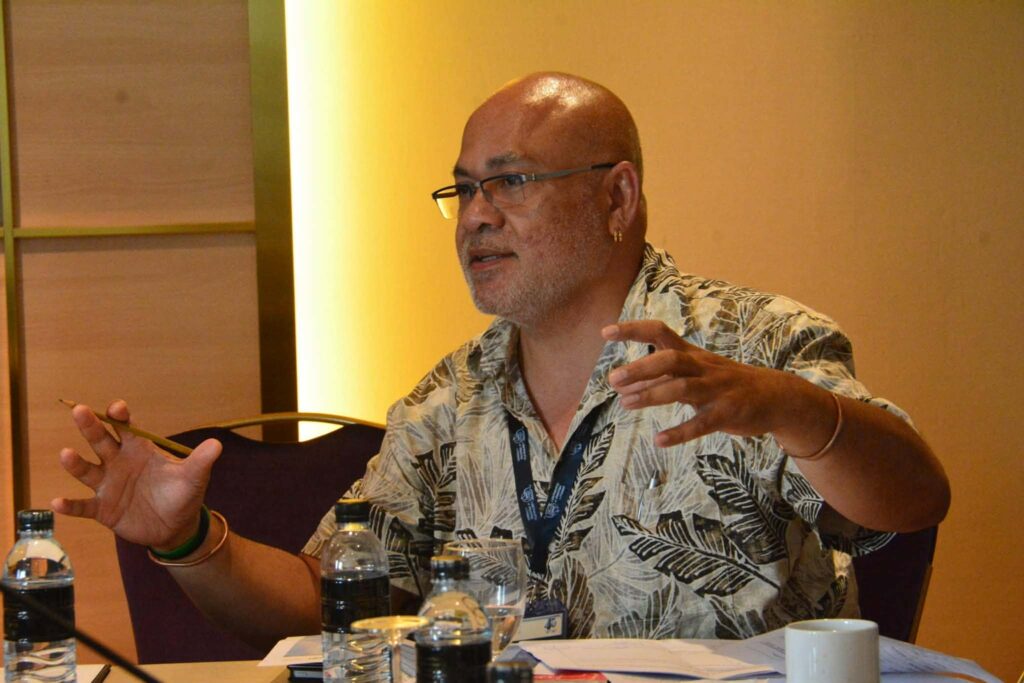
A few words could neither contain nor fully tell the totality of Jione’s life and work. Jione (aka Sione) Havea was born on 22 July 1965 in Tonga and passed on 29 April 2026 also in Tonga. He was a Tongan in every sense and also a son of Pasifika, and yet belonged in many places. This was partly why his passing had such significant regional and global sense of loss, outpourings of condolences and love, and questions of a future without his physical presence in spaces and places where his quiet and firm leadership was pioneering, creative, empowering, critical and boundary-pushing – and yes, irritating and uncomfortable!
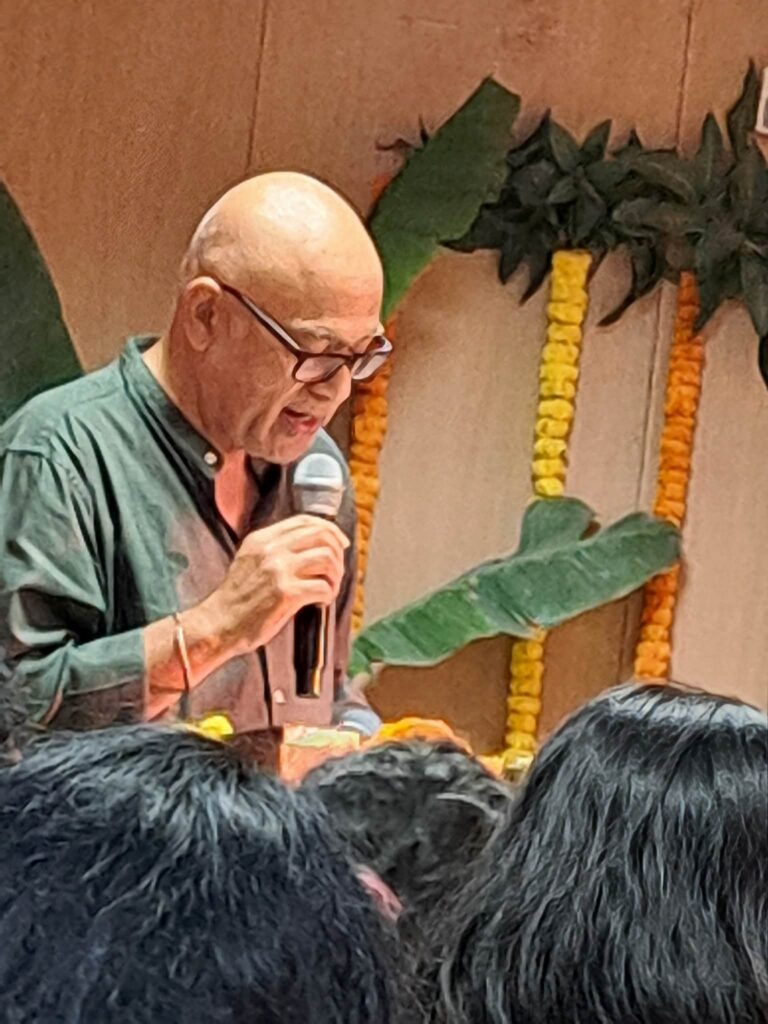
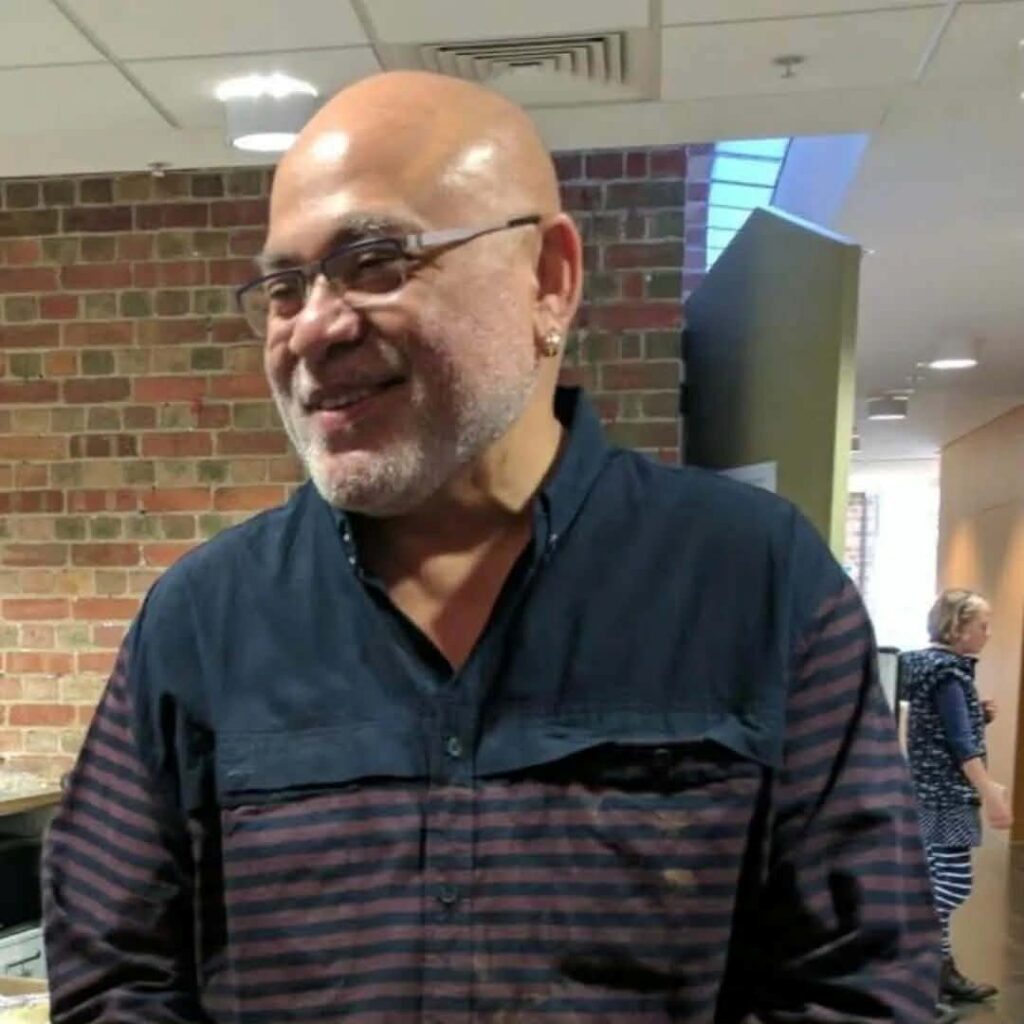
Jione was a man of deep integrity – the kind of integrity that was woven in and birthed from the wombs of faith, justice, honesty and truthfulness. Being honest and true to his very self as a Tongan, a Pasifika person, and a theologian and faith-filled interrogator of the Christian scriptures as well as being honest and true to multi-dimensional relationships and contexts – these were the fonua from which he sprouted and grew, and the moana in which he was nurtured and whose waves, currents and tides made him to flourish. His learnings and his work – including his numerous engagements with diverse communities, cultures and faiths, his academic achievements and his highly commendable publication outcomes – were the outworkings of his deeply embedded sense of integrity, honesty, truthfulness and passion for justice.
It was Jione who coined the term talanoa which has become popular and used in communal, academic and even governmental settings. In truth, he was a gifted crafter and weaver of words as a way of not only critiquing dominant Euro-centric and white-centric epistemologies, but also of seeking and advancing knowledge and ways of learning from the underside and margins, and from indigenous alternative wisdom, knowledge and knowledge systems. In Jione’s own Words:[1]
i form words
in order to share some thoughts with you
in order to share my feelings with you
in order to share our spirit with you
i form words
and i will take a stand, upon your words
your words, give me breath
your words, give me thoughts
your words, give me feelings
your words, give me spirit
Jione was a prolific author and editor with numerous book titles under his name. Even a casual glance at the list of books that he authored, co-authored or edited and co-edited is quite telling not only of the wide range of issues of importance, currency, of justice and (fearless) truth-telling, but also of ever-pushing boundaries, as the following quotes show:
‘Here is a cry, a lament, an interrogation, that the land has been stolen by people who don’t realize that the land is “to have and to hold” rather than to be bought and sold.’[2]
‘Polynesia pushes back at the drives to divide and at once unify which some (ancient and modern) teachers of theology undertake when they (with the rhetoric of one- and mono-ness) emphasize, for example, monotheism and the one-ness of the deity (in the concept of the trinity) and of the truth… I opt for Polynesia because i […] want to exhibit what many-ness (poly) looks like in the doing of theologies.’[3]
Tributes to Jione from Pasifika and beyond provide an insightful image of who Jione was to so many people:
‘You have taught us that theology is not a distant doctrine to be consumed, but a living, breathing ‘talanoa’, (Mothy Molly Varkey).
‘In his hands, the Bible was set free from the captivity of colonial interpretation and returned to the people, to the land, to the sea, to the ancestors … theology is not merely written in books but inscribed in the rhythms of the waves, in the cries of the oppressed, and in the stubborn resilience of communities who refuse erasure’, (Sudipta Singh).
‘He was a blessed troublemaker, whose life resists easy imitation yet demands courageous response. His laughter, mischief, holy defiance, indignation, love, and faith continue to unsettle and inspire us, calling us to reimagine what it means to be human in our time’, (George Zachariah).
This tribute would be incomplete without the mention of Jione’s beloved spouse, Monica Jyotsna Melanchthon, a brilliant and reputable academic in her own right, and beloved daughter Diya Lākai Havea. In her own tribute to Jione, Monica remembers him as a loving, caring, gentle and resourceful partner whose constant desire was for her to excel and flourish as a person and as an academic. Jione resigned from formal appointment for many years to be the father, care-giver and enabler for his daughter Diya, and only resumed full employment into the role that he held when he passed, namely “Mission Catalyst Climate Justice”, (please note that the strike-through on the word ‘Mission” was his!) Monica also remembers him as a man who took on every household chore, big or small, including cooking great curry recipes!
The following words from Sudipta Singh haunt us: ‘Rest, my brother, though even in your rest, you trouble us.’
So, from Kilipi Bird, one fisherman to another, ‘Jione, I will see you beyond the reef, over some raw fish and coconut’, and, from Siera Taniera Bird, one gardener to another, ‘Jione, I will see you beyond the garden, over dalo, manioke (cassava), ufi and bele’.
Kilipi (Cliff) Bird
Siera Taniera Bird
[1] Extracted from Doing Theology in the New Normal, 2021, 99-100. Jione does not capitalise the letter “i” to refer to himself.
[2] ‘The Cons of Contextuality … Kontextuality’. In Contextual Theology for the Twenty-First Century. 2012, 52.
[3] ‘The Vain(s) of Theologies.’ In Bordered Bodies, Bothered Voices: Native and Migrant Theologies. 2022, 9.